Transition, Permaculture, and Slow Technology
Part one, the Origins of the Center for Post Carbon Logistics Traditional knowledge is in danger and its disappearance would not only cause the loss of people’s

Part one, the Origins of the Center for Post Carbon Logistics Traditional knowledge is in danger and its disappearance would not only cause the loss of people’s

Despite its present dominance, our current logistics system engaged in moving people and goods from place to place is fragile. It is reliant upon carbon-based

Reprinted from Low Tech Magazine with Permission Before the Industrial Revolution, people adjusted their energy demand to a variable energy supply. Our global trade and

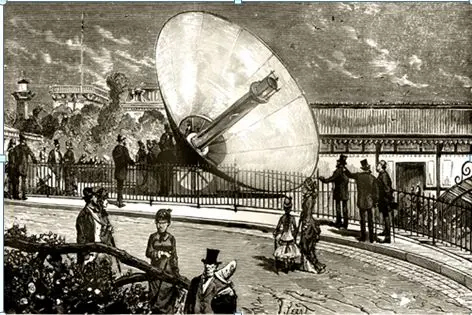
February 29, 2012 , In Solar Power, with permission from LANDGENERATOR The history of renewable energy is fascinating. We posted a while back about early efforts to

Originally posted on the Archdruid Report now https://www.ecosophia.net/ by John Michael Greer, March 2014. Reprinted with permission of the author. I have yet to hear

Melding 19th and 21st Century Technologies for Waterborne Freight and Passenger Transport Our world is now convulsed by three great converging crises: climate change, global economic instability,
An international advisory company and think tank announced on Tuesday a new scenario-based simulation model to help governments designing their own carbon market frameworks.
The Brazilian government has proposed authorising up to 50 million tonnes of CO2e in Internationally Transferred Mitigation Outcomes (ITMOs) for international transfer during 2031-35, according to a draft resolution published on Tuesday.
A French-headquartered utilities company has identified water withdrawals, resource regeneration, and hazardous waste management as some of its most material nature-related dependencies, impacts, and financial risks in its latest Taskforce on Nature-related Financial Disclosures (TNFD) assessment.
Despite the rollback of incentives to decarbonise power generation during the recent Trump administration, the US energy sector remains on track to reduce GHG emissions from 2025-35, according to new academic research.
A marine carbon removal (mCDR) company has handed over its US pilot project to a philanthropic initiative, which has a new goal of establishing a non-profit research hub in the region.