Transition, Permaculture, and Slow Technology
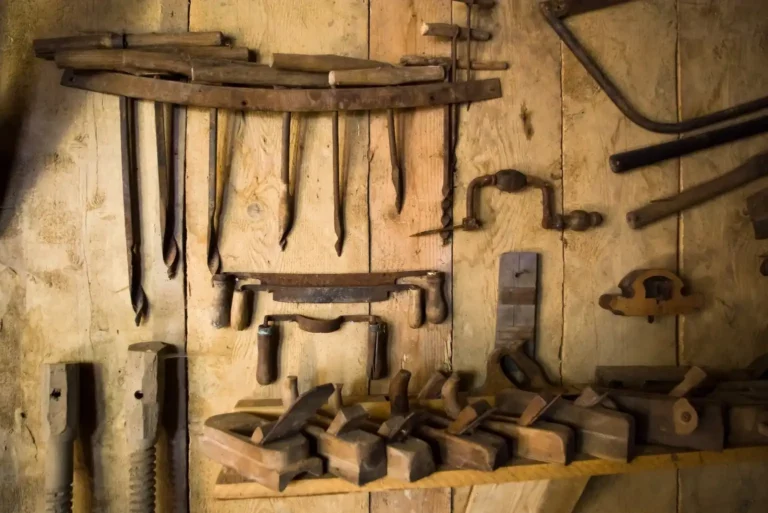
Part one, the Origins of the Center for Post Carbon Logistics Traditional knowledge is in danger and its disappearance would not only cause the loss of people’s

Part one, the Origins of the Center for Post Carbon Logistics Traditional knowledge is in danger and its disappearance would not only cause the loss of people’s

Despite its present dominance, our current logistics system engaged in moving people and goods from place to place is fragile. It is reliant upon carbon-based

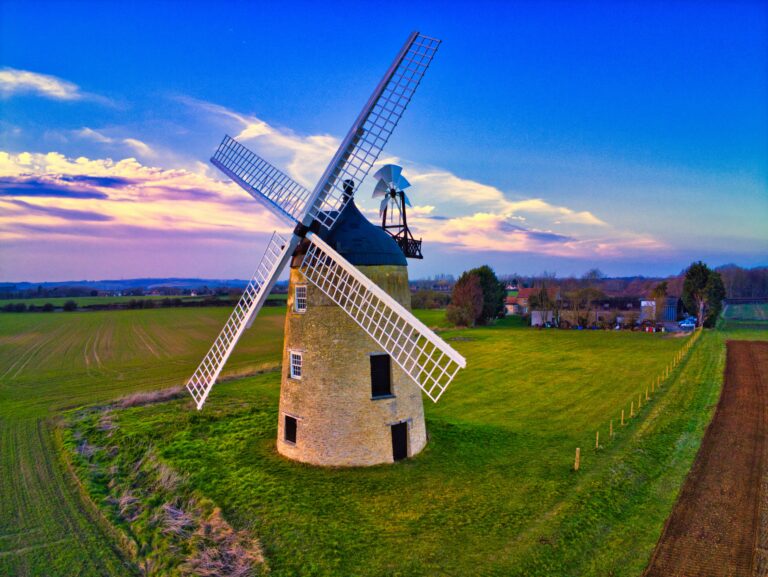
Reprinted from Low Tech Magazine with Permission Before the Industrial Revolution, people adjusted their energy demand to a variable energy supply. Our global trade and

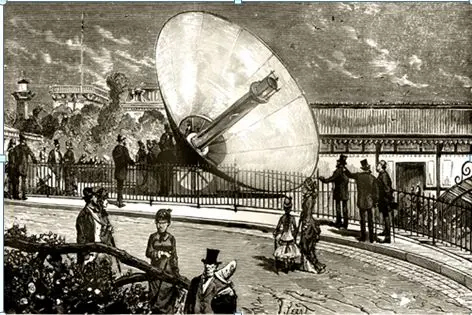
February 29, 2012 , In Solar Power, with permission from LANDGENERATOR The history of renewable energy is fascinating. We posted a while back about early efforts to

Originally posted on the Archdruid Report now https://www.ecosophia.net/ by John Michael Greer, March 2014. Reprinted with permission of the author. I have yet to hear

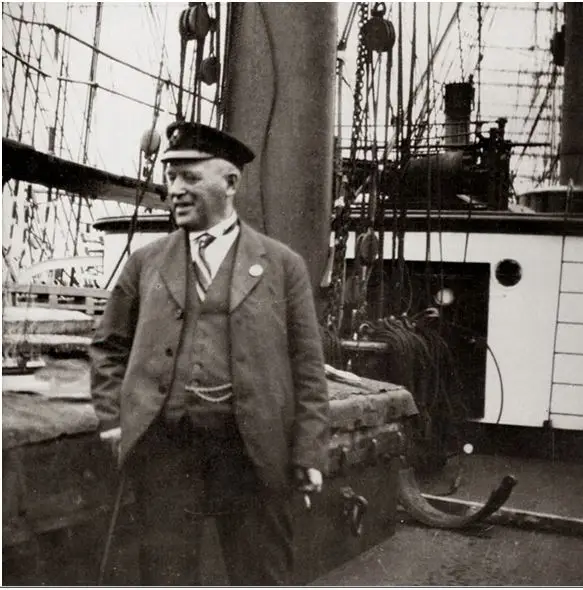
Melding 19th and 21st Century Technologies for Waterborne Freight and Passenger Transport Our world is now convulsed by three great converging crises: climate change, global economic instability,
The Brazilian government has completed the text of a draft resolution setting out the procedures for Internationally Transferred Mitigation Outcomes (ITMOs) under Article 6 of the Paris Agreement, Carbon Pulse has learned.
July 6 presents a modest but operationally significant shift at Kharg Island, where both the western and eastern crude terminals were reoccupied overnight by dark ballast tankers, fresh arrivals not present in the July 5 collection, indicating…
The Maritime and Port Authority of Singapore (MPA) and World Maritime University (WMU) have signed a Memorandum of Understanding (MOU), reaffirming their commitment to nurturing and developing maritime leaders and contributing to capacity development for the international maritime community.
The European Parliament's environment committee endorsed on Monday a provisional agreement to strengthen the Market Stability Reserve (MSR) for the EU's new emissions trading system covering buildings and road transport (ETS2), paving the way for final approval in plenary.
Lawmakers in the European Parliament's environment committee (ENVI) voted to extend the EU's Carbon Border Adjustment Mechanism (CBAM) to more than 400 product codes on Monday, as well as for tougher anti-circumvention measures.