Transition, Permaculture, and Slow Technology
Part one, the Origins of the Center for Post Carbon Logistics Traditional knowledge is in danger and its disappearance would not only cause the loss of people’s

Part one, the Origins of the Center for Post Carbon Logistics Traditional knowledge is in danger and its disappearance would not only cause the loss of people’s

Despite its present dominance, our current logistics system engaged in moving people and goods from place to place is fragile. It is reliant upon carbon-based

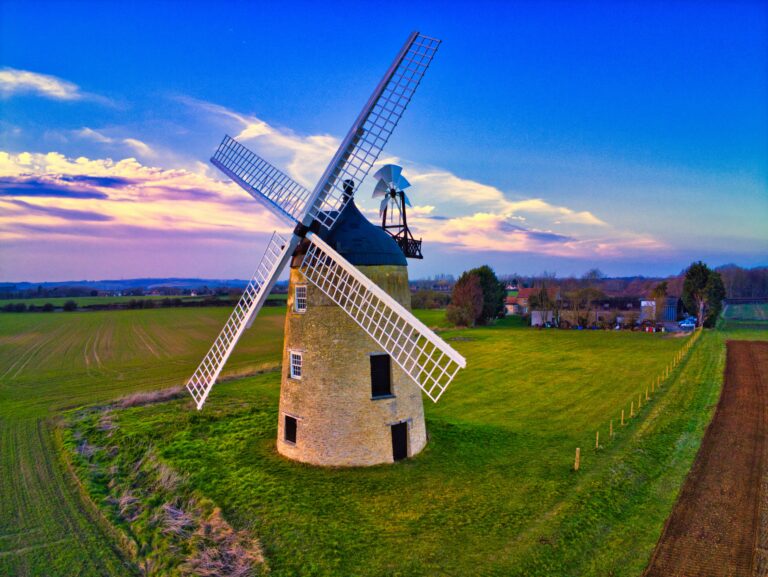
Reprinted from Low Tech Magazine with Permission Before the Industrial Revolution, people adjusted their energy demand to a variable energy supply. Our global trade and

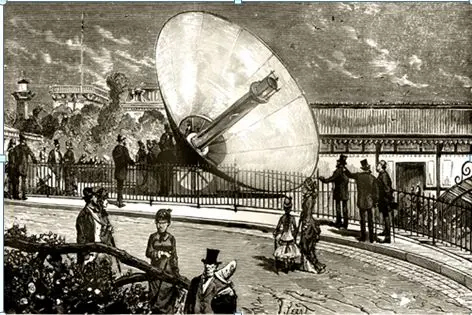
February 29, 2012 , In Solar Power, with permission from LANDGENERATOR The history of renewable energy is fascinating. We posted a while back about early efforts to

Originally posted on the Archdruid Report now https://www.ecosophia.net/ by John Michael Greer, March 2014. Reprinted with permission of the author. I have yet to hear

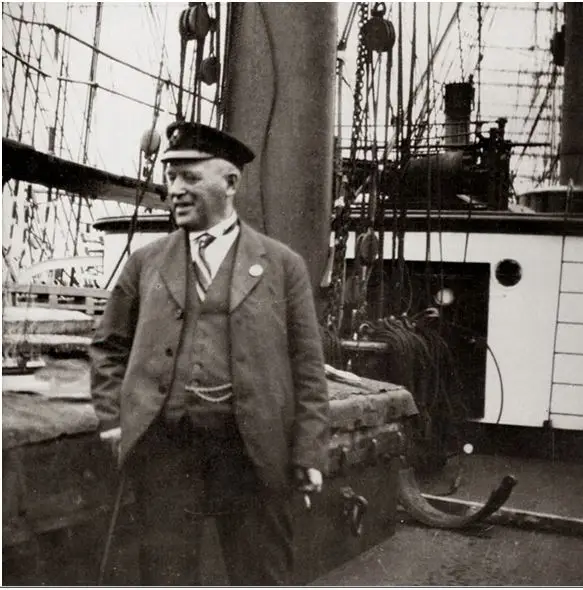
Melding 19th and 21st Century Technologies for Waterborne Freight and Passenger Transport Our world is now convulsed by three great converging crises: climate change, global economic instability,
A global financial-sector initiative last week outlined seven priority areas for developing new methodologies and guidance on measuring greenhouse gas emissions linked to financial activities over the next two years.
A Qatar‑based voluntary standard has inked a pact with Bhutan’s Department of Environment and Climate Change to support the country’s institutional and technical readiness for participation in international carbon markets.
Climate change might not be a top priority for voters, but keeping quiet about it might backfire.
An engineering and advisory firm has opened a Request for Proposal (RFP) on behalf of a collection of water corporations, seeking Australian Carbon Credit Units (ACCUs), it announced.
New Zealand’s Green Party over the weekend published its latest climate change policies, hinting that forestry offsetting will be phased out of the ETS, as well as an end to free industrial allocation, while also putting a price on agricultural emissions.