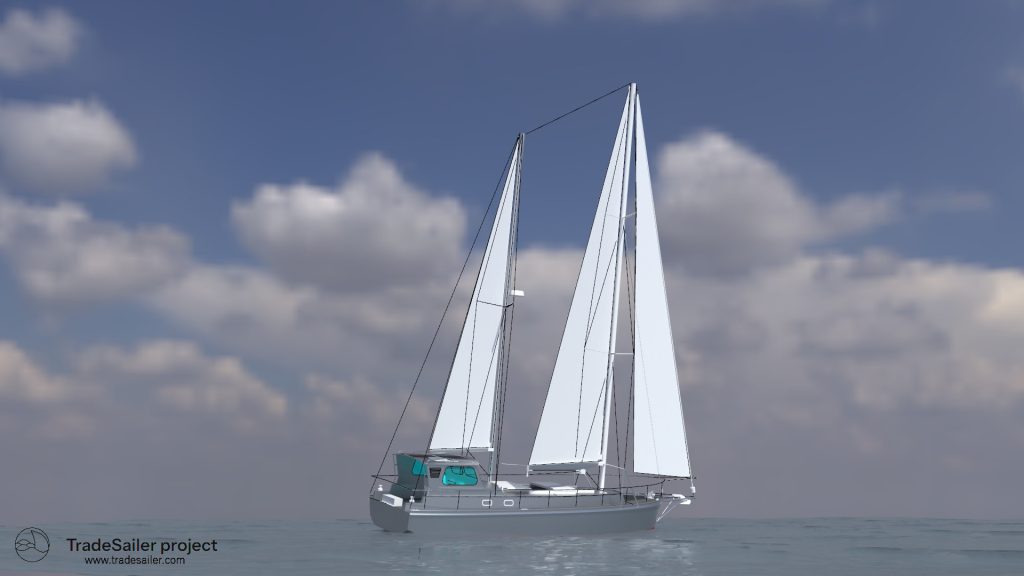
Sail Freight Is Getting a Practical Coastal Workhorse
A new collaboration aims to simplify launching low-carbon coastal shipping The future of coastal sail freight may arrive sooner than predicted. The Center for Post




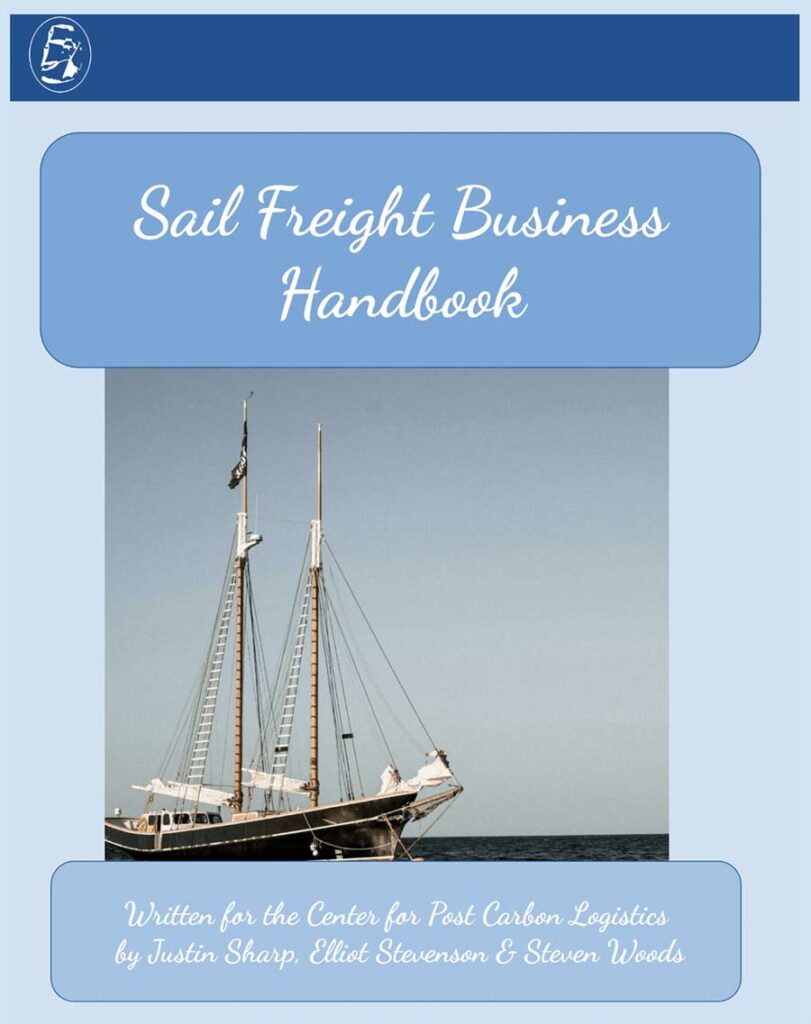
A new collaboration aims to simplify launching low-carbon coastal shipping The future of coastal sail freight may arrive sooner than predicted. The Center for Post

Over the last two years the Center for Post Carbon Logistics, Inc. (CPCL) has
been working to develop regional near-zero emission maritime trade. Because of the
headwinds of policy and disappearing funding for anything climate related from the
federal government, we have pivoted to a strategy of seeking regional funding for a
fleet of near-zero emission ships working the waterways of the Northeast US.

By Rik van Hemmen, Vice President and Partner, MARTIN, OTTAWAY, van HEMMEN & DOLAN, INC., Originally published in Surveyors Notebook. © 2026 Martin, Ottaway, van
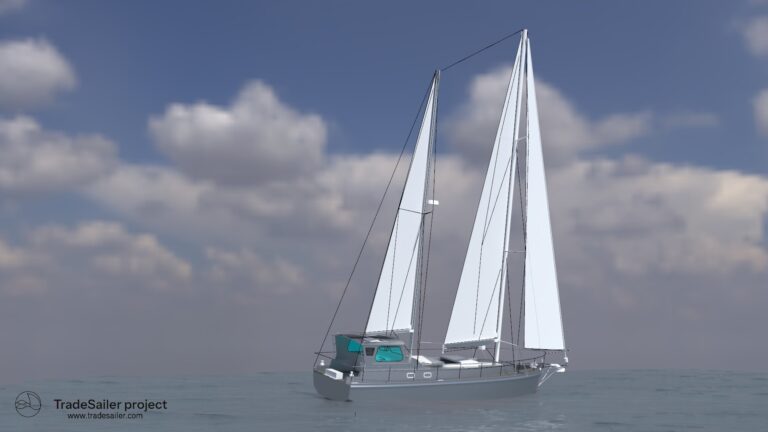
The Tradesailer Project, a sailing vessel designed for small-scale freight transport, is currently in the final design phase of the

In our “Maritime News” posts, we feature important, up-to-date news we need to share. Norway’s Eitzen Group has ordered two

In our “Maritime News” posts, we feature important, up-to-date news we need to share. In an open letter to the
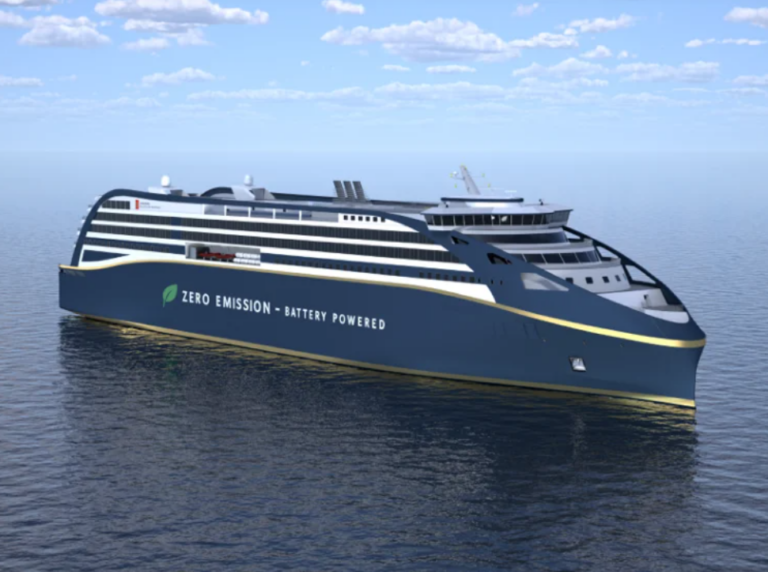
In our “Maritime News” posts, we feature important, up-to-date news we need to share. Kongsberg Maritime says fully electric RoPax