Back to the Future (From Freightwaves.com)
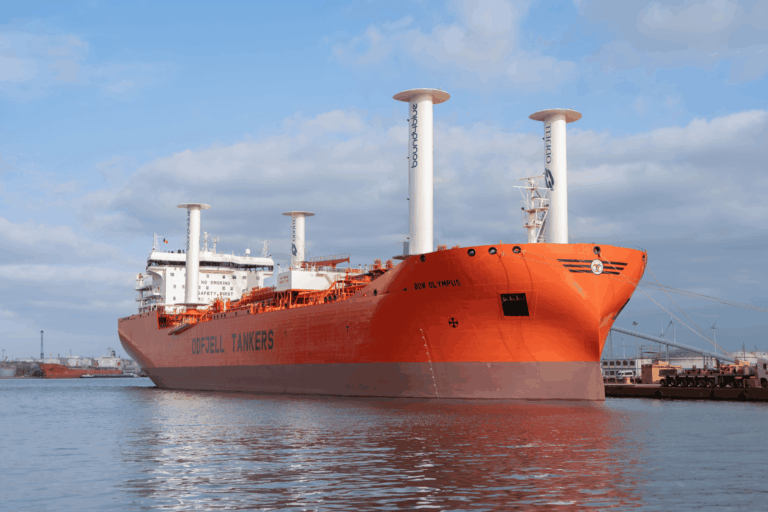
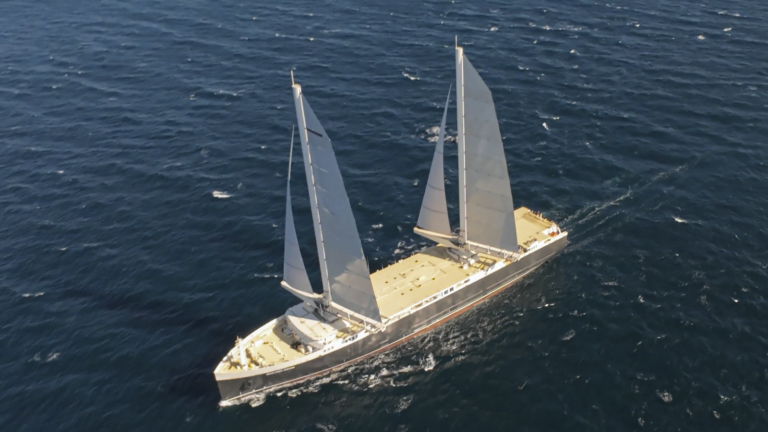
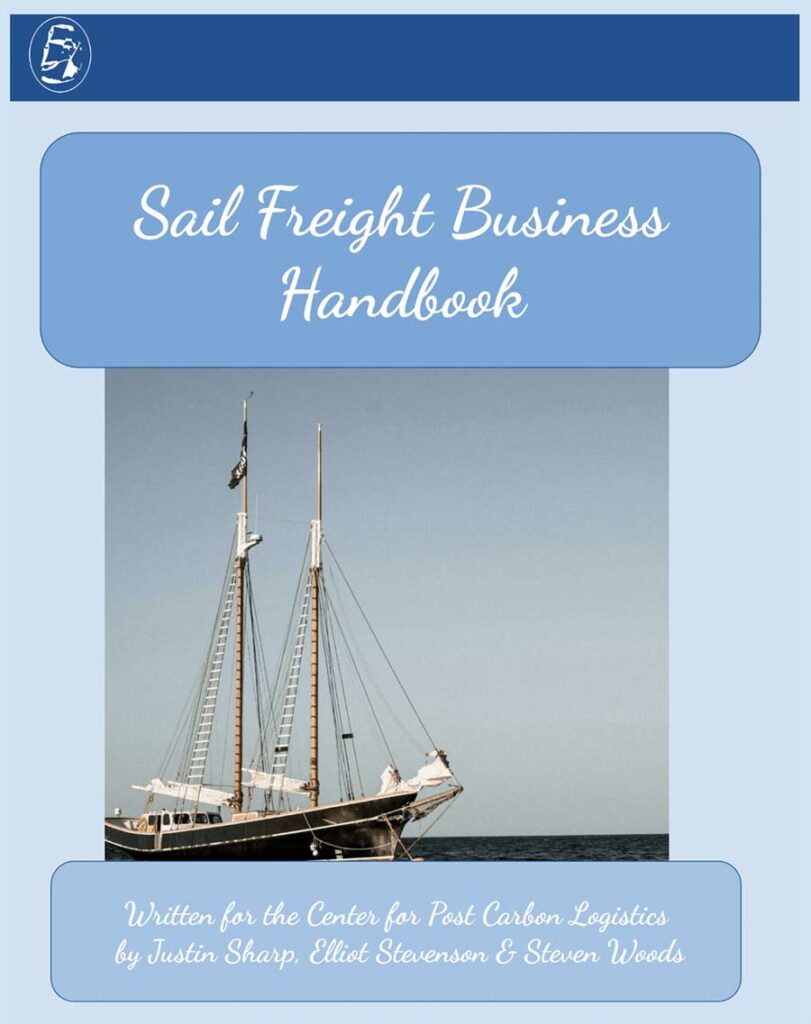
In a maritime version of “Back to the Future,” a wind-powered cargo vessel is taking to the seas in commercial
THE FUTURE OF LOGISTICS IS
POST CARBON

In a maritime version of “Back to the Future,” a wind-powered cargo vessel is taking to the seas in commercial

The Pallet Container has the potential to make sailing cargo vessels and bike deliveries economically superior to trucking while slashing congestion and pollution.

Creating the first Green Shipping Corridor in the United States

The moment is right for a rebirth and transformation of the American Merchant Marine — and it will start in New York.
The mission of The Center for Post Carbon Logistics is to research and assist in the implementation of appropriate post carbon maritime technology needed to keep commerce and transportation viable by responding to the interrelated connectivity, communication, equity, economic, ecological, and energy crises of the 21st century.
We envision a world where resilient, re-localized communities thrive—connected through sustainable, post-carbon transport and logistics systems. As the impacts of climate change intensify, building networks that prioritize local production, reduce carbon emissions, and strengthen community connections is no longer just an ideal—it’s essential. We are committed to shaping a future where our communities are prepared, adaptable, and empowered, moving goods and people efficiently without compromising the planet.
CPCL advocates for the preservation and expansion of working waterfront, sustainable maritime propulsion, decarbonization of landside transportation, and the development of new standards for transportation systems which prioritize zero emissions systems. This advocacy takes the form of research, policy education, market development, and other activities which forward the ability of small ports and small vessels to revive sustainable short sea shipping in the United States.
CPCL engineers the next generation of tools for sustainable freight transportation, including cargo containers, sail and solar-electric vessel designs, modular port systems, last mile vehicles, and other systems. These systems and standards will enable small ports and small vessels to deploy infrastructure and build the fleet at reduced costs and within shorter time horizons.
CPCL educates organizations, individuals, businesses, and governments on the importance of sustainable short sea shipping, maritime skills, market development, and other pertinent subjects. This includes workforce development, trades skills training, participating in conferences and symposia, and working with other organizations working toward similar goals both nationally and world-wide.